
Geocell road construction is a high-performance ground stabilization method used to improve bearing capacity, reduce settlement, and extend pavement lifespan. In large-scale roadway construction projects across Saudi Arabia, weak subgrades, expansive soils, and heavy traffic loads require engineered reinforcement solutions based on the fundamentals of geotechnical engineering.
At MEGS, geocell road construction is designed using advanced three-dimensional confinement systems that strengthen base layers and optimize structural performance. By integrating modern stabilization techniques with core geotechnical principles, MEGS delivers durable and cost-efficient infrastructure solutions.
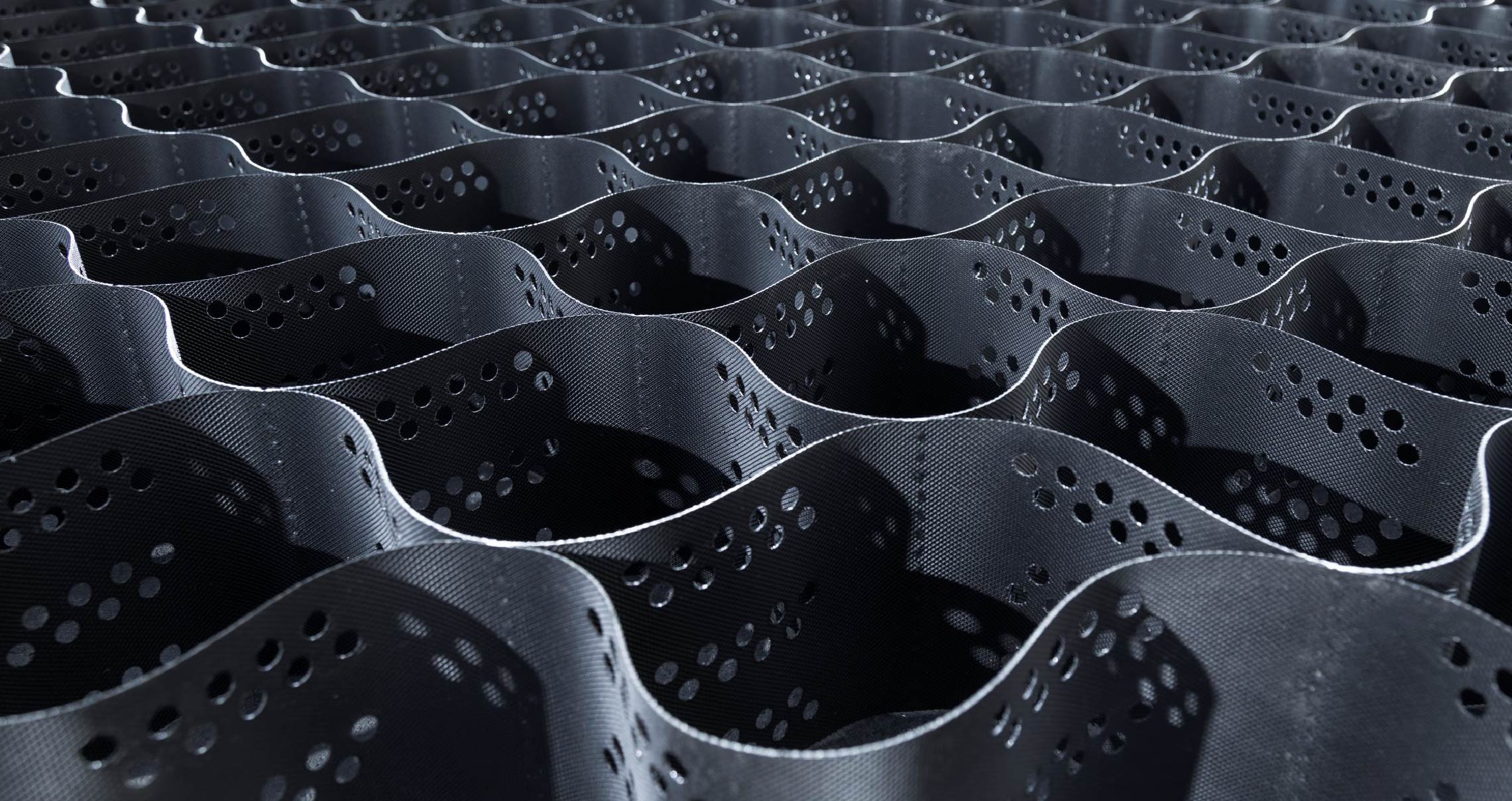
Why Geocell Road Construction Is Critical in Roadway Construction
Traditional roadway construction depends on thick aggregate layers to compensate for weak soil conditions. However, without lateral confinement, aggregates spread, leading to rutting, cracking, and premature pavement failure.
Geocell road construction creates a structural mattress that distributes loads over a wider area, resulting in:
- Reduced subgrade deformation
- Lower aggregate thickness requirements
- Improved load distribution
- Minimized rutting
- Extended pavement service life
When combined with proper drainage systems and geogrid installation, geocell reinforcement significantly increases base stability and long-term durability.
Engineering Challenges Addressed by Geocell Road Construction
Weak Subgrades and Soil Instability
Soft clay, loose sand, and moisture-sensitive soils often lack sufficient bearing capacity. Applying the fundamentals of geotechnical engineering allows engineers to evaluate soil parameters before selecting the appropriate reinforcement system.
In such cases, geocell road construction transforms weak soils into stabilized load-bearing layers. When necessary, non woven geotextile or geotextile membrane layers are installed beneath the geocell system to improve separation and filtration performance.
Heavy Traffic and Industrial Loading
In logistics hubs and industrial zones, continuous heavy axle loads can cause shear failure and rutting. A properly engineered geogrid road system, integrated with geocell confinement, enhances tensile reinforcement and distributes stresses more efficiently.
Erosion and Drainage Instability
Road failures are often linked to poor erosion control. Integrating geocell reinforcement with systems designed for how to prevent soil erosion and protecting soil from erosion ensures long-term structural stability, especially in embankment and sloped roadway conditions.
Structural Integration with Retaining and Slope Systems
Geocell road construction is frequently combined with advanced slope and retention systems for elevated or sloped terrains.
For road alignments built across embankments or mountainous regions, engineered retaining wall design becomes essential. Depending on structural requirements, this may include:
- gravity retaining wall systems for mass stability
- reinforced concrete retaining wall structures for high-load applications
- gabion retaining wall design solutions for flexible slope reinforcement
In erosion-prone zones, gabion wall design systems and modular Gabion box units provide both drainage and structural retention benefits. For high-risk mountainous areas, rockfall protection netting may be integrated to protect roadway users and infrastructure assets.

Applications of Geocell Road Construction Across Infrastructure Sectors
MEGS applies geocell road construction solutions across:
- Highway and major roadway construction projects
- Industrial access roads
- Railway engineering corridors
- Landfill access platforms
- Water infrastructure projects
- Energy and utility developments
Through engineered design, technical evaluation, and professional geogrid installation, MEGS ensures that every geocell road construction system performs under real-world environmental and loading conditions in Saudi Arabia and Jordan.

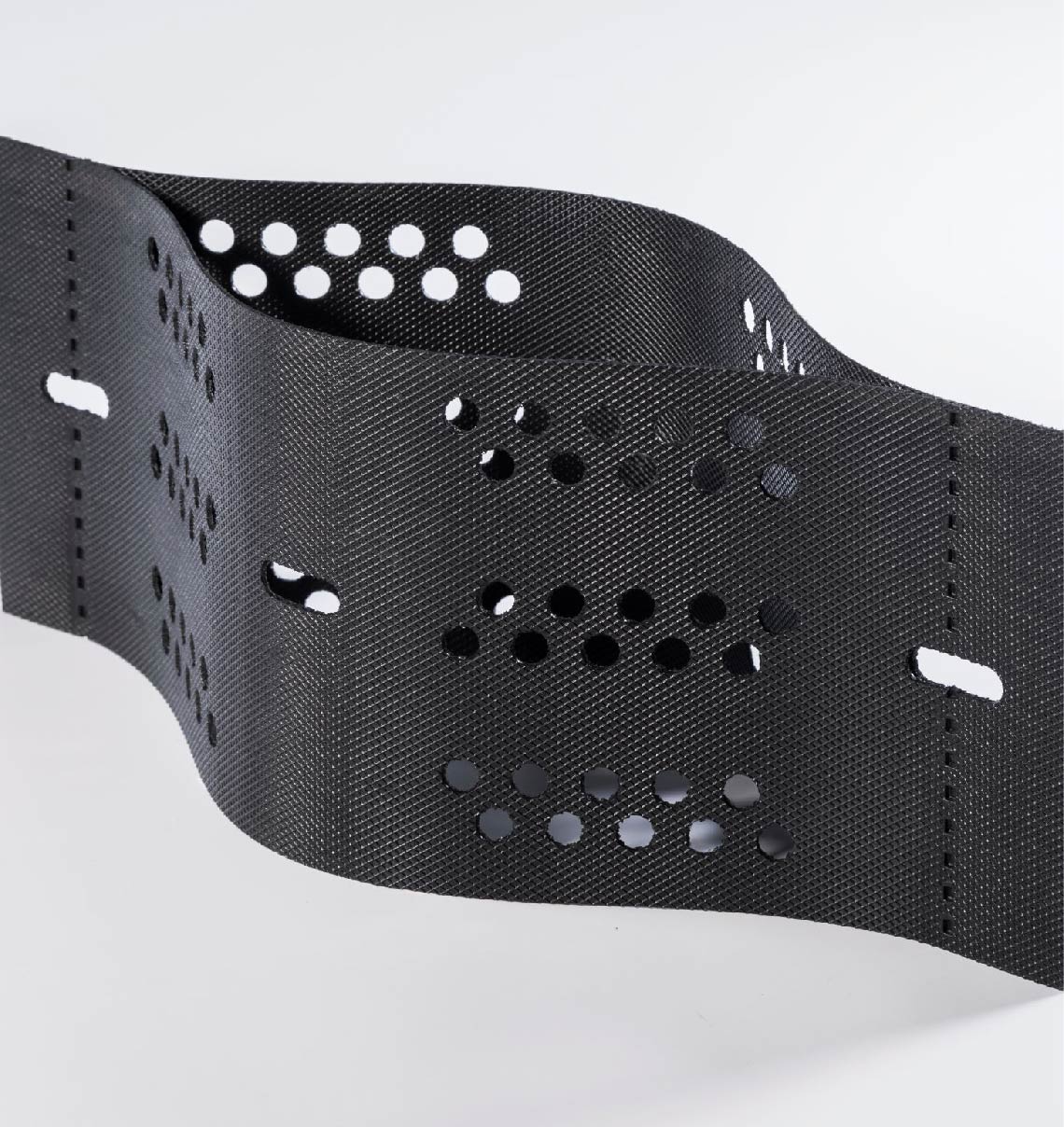
From Engineering Analysis to Field Execution
Successful geocell road construction requires:
- Soil investigation based on the fundamentals of geotechnical engineering
- Evaluation of load-bearing capacity
- Proper base thickness design
- Selection of suitable infill materials
- Integration with non woven geotextile or geotextile membrane where required
- Quality-controlled installation procedures
By combining geotechnical expertise with modern reinforcement systems, MEGS ensures durable and optimized road performance.
Conclusion
Geocell road construction is a strategic engineering solution for strengthening road foundations and improving long-term durability. When integrated with erosion control systems, structural retention solutions, and proper geogrid installation, it forms a complete ground stabilization framework.
Through advanced engineering practices and a deep understanding of the fundamentals of geotechnical engineering, MEGS delivers reliable, sustainable, and cost-effective geocell road construction solutions tailored to complex infrastructure demands.