
Soil erosion is one of the most serious threats to infrastructure, agriculture, and environmental sustainability. Understanding how to prevent soil erosion is essential for protecting highways, embankments, drainage systems, and construction sites from long-term damage.
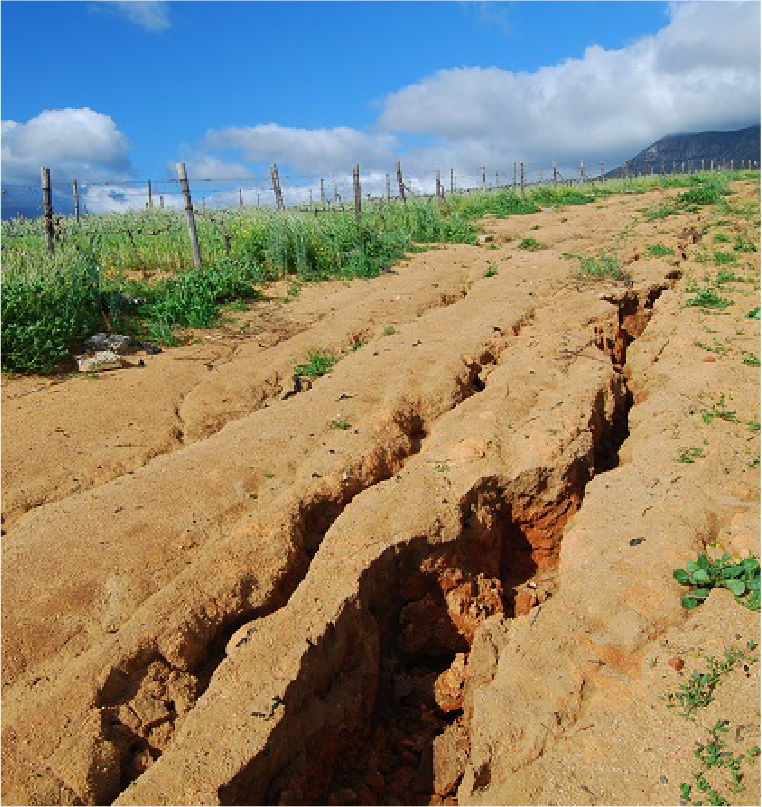
Erosion occurs when wind, rain, or surface runoff displace soil particles. Over time, this leads to soil erosion, slope instability, sedimentation in drainage line systems, and structural failure. Therefore, prevention must begin with proper engineering design and the right ground reinforcement systems.
At MEGS, erosion prevention is not treated as a temporary fix — it is approached as a complete geotechnical engineering solution integrated into project planning, material supply, and professional installation.
Understanding Why Soil Erosion Happens
Before discussing how to prevent soil erosion, it is important to understand the main causes.
Erosion typically accelerates due to:
- Heavy rainfall and uncontrolled runoff
- Steep slope conditions
- Wind exposure in dry regions
- Poor site preparation
- Weak subgrade in road construction
- Lack of vegetation cover
In infrastructure projects such as highway construction, roadway construction, and water infrastructure, erosion can undermine foundations, damage retaining wall systems, and reduce embankment stability.
Consequently, early intervention is critical.ironmental sustainability goals.
How to Prevent Soil Erosion Through Engineering Methods
Preventing erosion requires combining soil mechanics principles with modern reinforcement technologies. The following methods are widely used in professional erosion control systems.
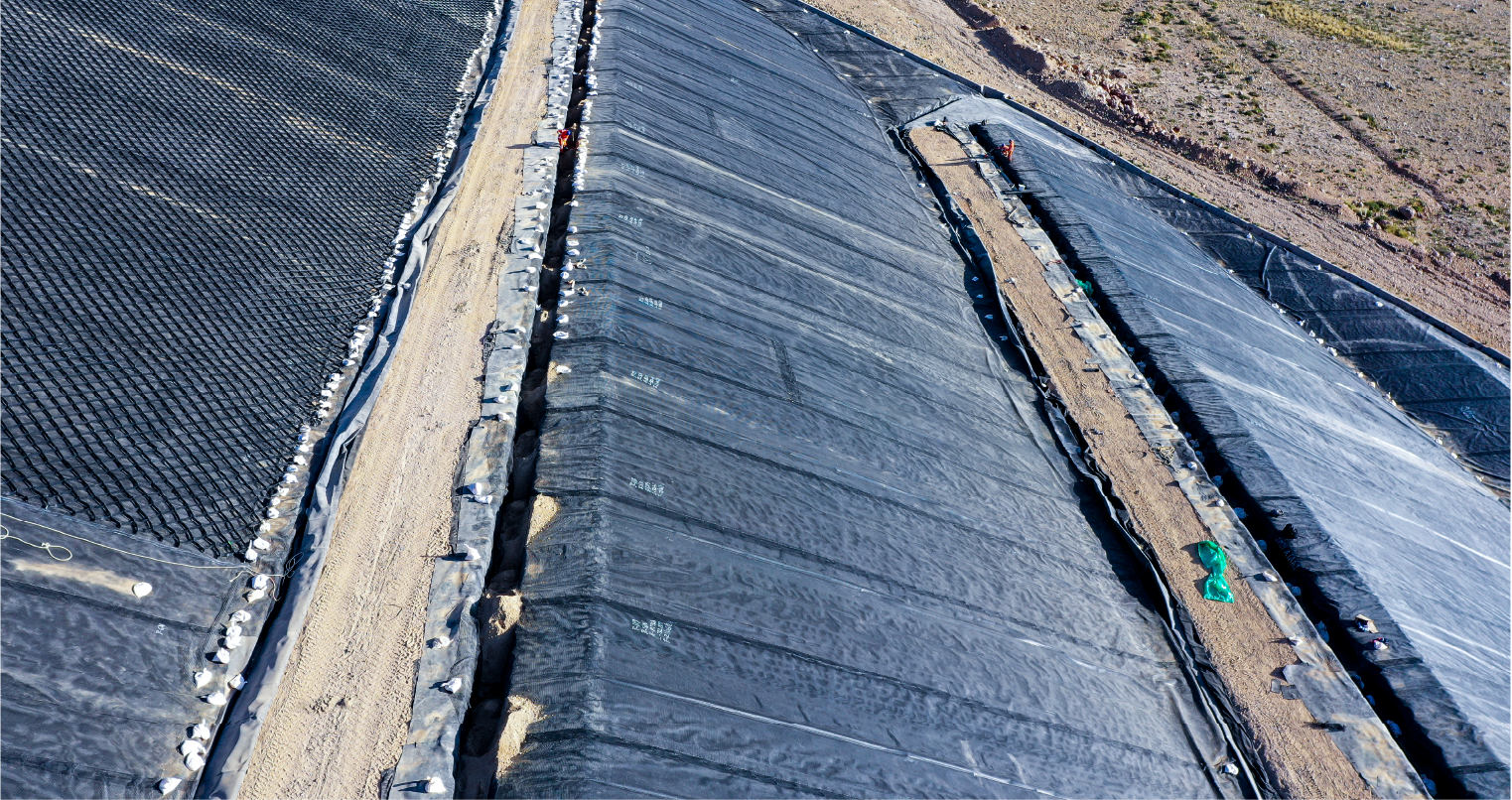
1. Surface Reinforcement with our GeoCell Systems
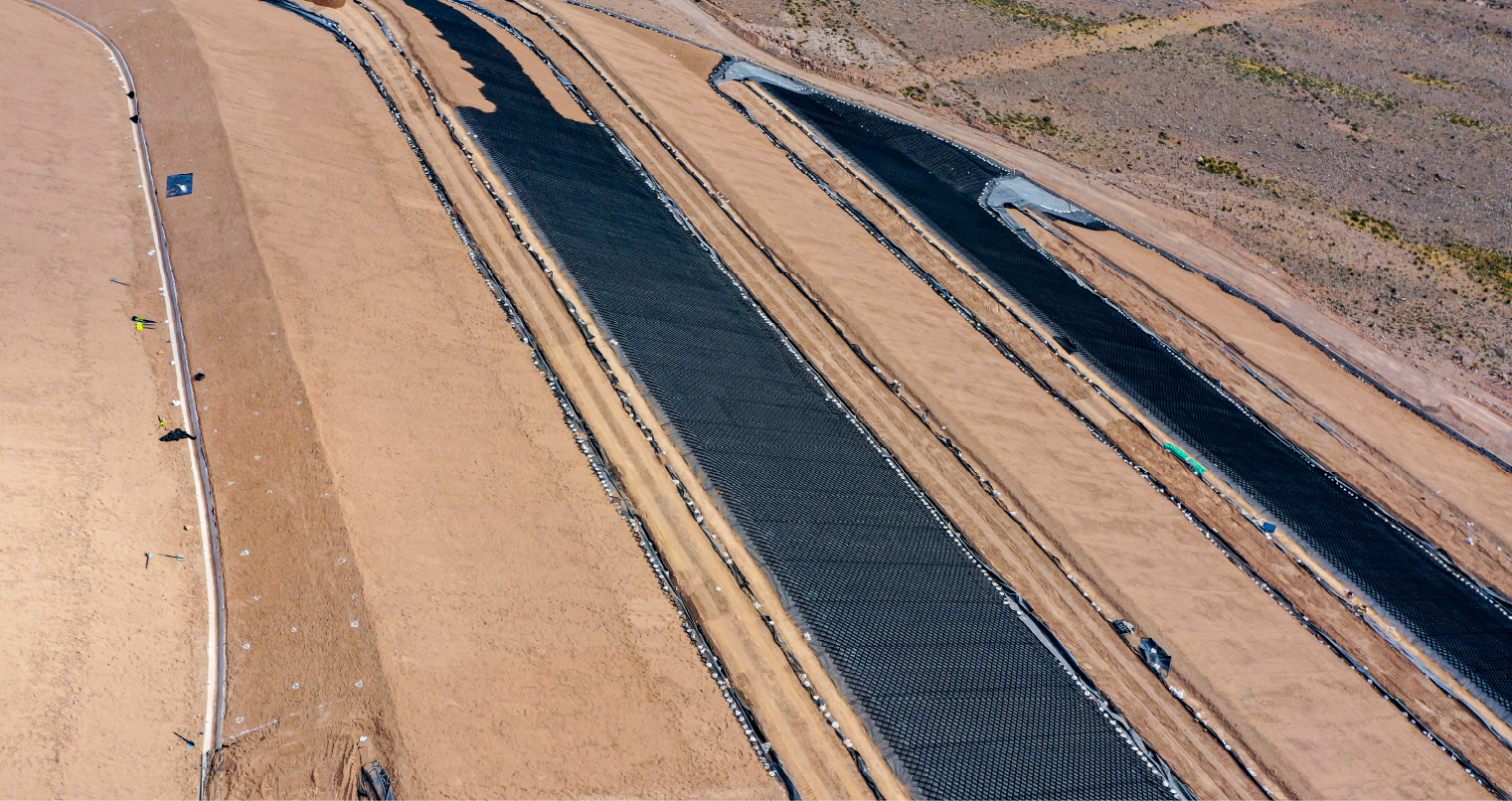
One of the most effective ways to prevent soil erosion on steep slopes is through geocell confinement systems.
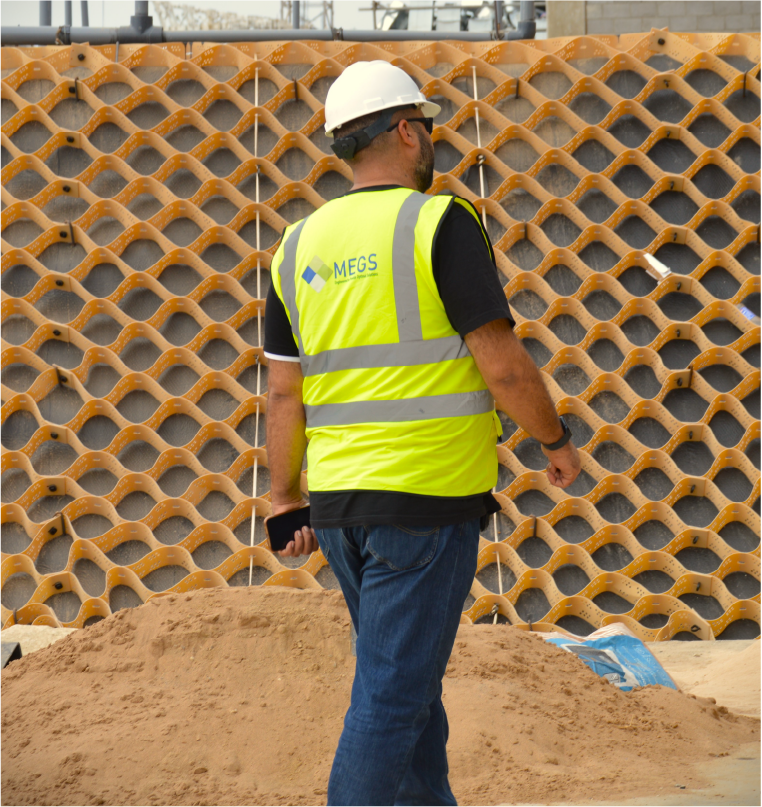
GeoCell creates a three-dimensional honeycomb structure that:
- Confines soil within interconnected cells
- Reduces surface runoff velocity
- Prevents soil displacement
- Supports vegetation growth
In steep slope projects (up to 60 degrees), GeoCell systems serve as a cost-effective alternative to traditional stone pitching. Additionally, in geomembrane-lined areas, they can be installed without puncturing protective layers such as an HDPE liner.
MEGS supplies and installs GeoCell systems as part of its advanced erosion control solutions.
2. Load Distribution with Geogrid Reinforcement
In geocell road construction and geogrid road systems, soil confinement increases load-bearing capacity while reducing settlement and surface erosion.
Using geogrid mesh and biaxial geogrid, engineers can:
- Improve embankment stability
- Strengthen subgrade in road construction
- Prevent rutting and deformation
- Minimize maintenance costs
This is particularly important for road construction companies in Saudi Arabia and civil construction companies in Saudi Arabia, where extreme climate conditions can accelerate surface degradation.
Proper geogrid installation ensures that load transfer mechanisms function correctly and prevent long-term erosion under dynamic traffic loads.
3. Drainage and Water Control Systems
Uncontrolled water flow is one of the primary causes of soil erosion.
Effective drainage line systems and filtration layers such as:
- Geotextile fabric
- Geotextile membrane
- Non woven geotextile
help regulate water movement while preventing soil particle migration.
In water infrastructure and landfill construction, combining geotextile layers with HDPE liner systems ensures seepage control and groundwater protection.lity under heavy waste loads, and support sustainable waste management.
Retaining Systems for Slope Protection
Where elevation changes exist, engineered retaining solutions become essential.
Options include:
- Retaining wall design
- Gravity retaining wall systems
- Gabion wall structures
- Gabion box and gabion baskets
- Welded wire gabions
- Gabion mattress installations
- Rockfall protection netting
These systems provide structural resistance while allowing controlled drainage through gabion mesh and gabion wire assemblies. By integrating soil analysis with reinforcement systems, erosion risks can be significantly reducedd.
The Importance of Early Erosion Prevention
Waiting until visible damage appears increases repair costs and environmental impact.
By understanding how to prevent soil erosion at the design stage, projects achieve:
- Reduced sedimentation
- Improved slope stability
- Extended pavement lifespan
- Lower maintenance costs
- Long-term structural safety
Preventive engineering is always more cost-effective than corrective rehabilitation.
MEGS Integrated Approach to Prevent Soil Erosion
MEGS operates not only as a product supplier but as a complete geotechnical solutions provider.
Our approach includes:
- Site assessment and soil evaluation
- Selection of appropriate geosynthetic systems
- Supply of certified materials
- Professional installation and supervision
- Quality control and long-term performance validation
Through collaboration with Strata Geosystems, MEGS delivers high-performance systems tailored for infrastructure sectors including highway construction, railway engineering, landfill construction, and energy projects.
Conclusion
Understanding how to prevent soil erosion requires more than planting vegetation or applying surface treatments. It demands engineered systems designed to manage water flow, reinforce soil, and stabilize slopes under real-world conditions.
By combining geotechnical engineering principles with advanced geosynthetics such as geocell, geogrid, gabion wall systems, and geotextile solutions, MEGS transforms erosion control into long-term infrastructure protection.