
Gabion wall design is one of the most reliable and widely used solutions in modern geotechnical engineering for retaining structures, slope stabilization, and erosion control. These systems consist of wire mesh baskets filled with durable stones that form flexible and permeable retaining walls capable of supporting soil and protecting infrastructure. Because of their strength, drainage capabilities, and adaptability to ground movement, gabion walls are commonly used in roadway construction, riverbank protection, embankments, and civil engineering projects.
A well-planned gabion wall design ensures long-term structural stability while also providing natural drainage and environmental compatibility. Unlike rigid concrete structures, gabion systems can adjust to minor ground settlement and environmental changes without cracking or structural failure. This combination of durability and flexibility makes gabion wall systems a practical solution for infrastructure projects where stability and sustainability are essential.
What is a Gabion Wall?
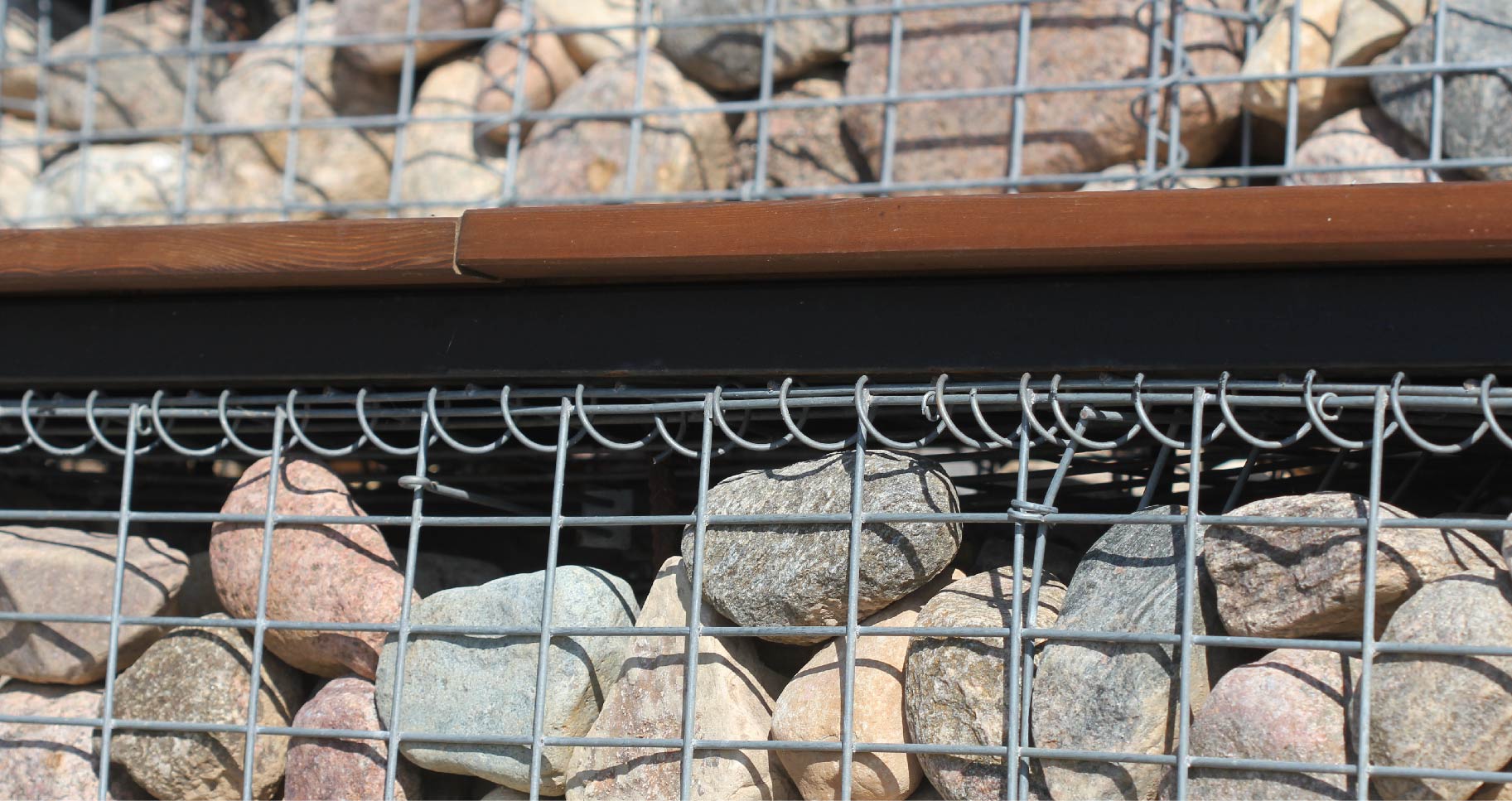
A gabion wall is a retaining structure made of steel wire mesh baskets filled with rocks or stones and stacked together to form a stable structure. These baskets are connected and layered to create a mass gravity retaining system that resists soil pressure primarily through its weight.
Gabion walls are commonly used for erosion control, slope stabilization, channel linings, and retaining structures in infrastructure and landscape engineering projects. Their permeable structure allows water to flow freely through the stones, preventing pressure buildup behind the wall and improving long-term stability.
One of the major advantages of gabion wall design is its ability to combine structural support with drainage functionality. Because the stones inside the baskets create natural voids, water can easily pass through the structure, reducing hydrostatic pressure that often affects traditional retaining walls.
Key Principles of Gabion Wall Design
Soil and Site Conditions
The first step in gabion wall design is understanding the soil conditions at the project site. Engineers evaluate soil strength, groundwater levels, slope angles, and potential external loads such as traffic or nearby structures.
These factors determine the wall dimensions, foundation preparation, and reinforcement requirements needed to ensure long-term performance and safety.
Wall Height and Base Width
The height of a gabion wall directly influences its base width and structural configuration. In most gabion wall design guidelines, the base width is typically between half and two-thirds of the wall height. This proportion helps maintain stability and prevents sliding or overturning under soil pressure.
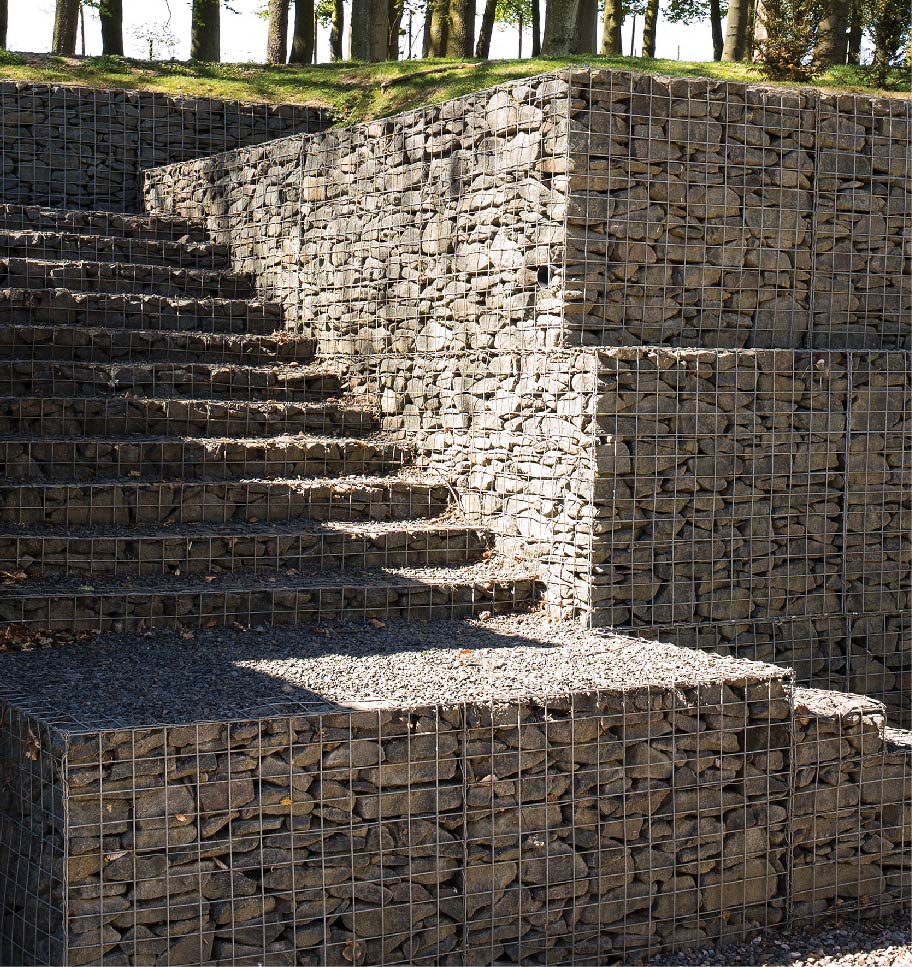
For taller retaining structures, gabion baskets are often installed in a stepped configuration. This design distributes loads more efficiently and increases overall stability.
Structural Stability
Engineers evaluate gabion wall design using several stability checks to ensure safe performance. These checks include resistance to sliding, overturning, and bearing capacity failure.
Sliding occurs when horizontal soil pressure pushes the wall forward. Overturning happens when soil forces cause the wall to rotate. Bearing capacity failure occurs when the foundation soil cannot support the weight of the wall.
By calculating these factors during the design stage, engineers ensure the structure remains stable under both normal and extreme conditions.
Materials Used in Gabion Wall Construction
Material selection is a critical aspect of successful gabion wall design. High-quality materials ensure the structure remains durable and resistant to environmental conditions over long periods.
The baskets used in gabion systems are typically manufactured from galvanized steel wire or PVC-coated wire mesh. These coatings protect the steel from corrosion and extend the lifespan of the structure, especially in wet or aggressive environments.
The stone fill used inside the baskets must be strong, durable, and resistant to weathering. Angular stones are preferred because they interlock more effectively than rounded stones, improving the stability of the structure.
Proper stone size is also important. The rocks should be large enough to remain securely within the mesh openings while still allowing adequate drainage through the wall.
Drainage Advantages of Gabion Wall Systems
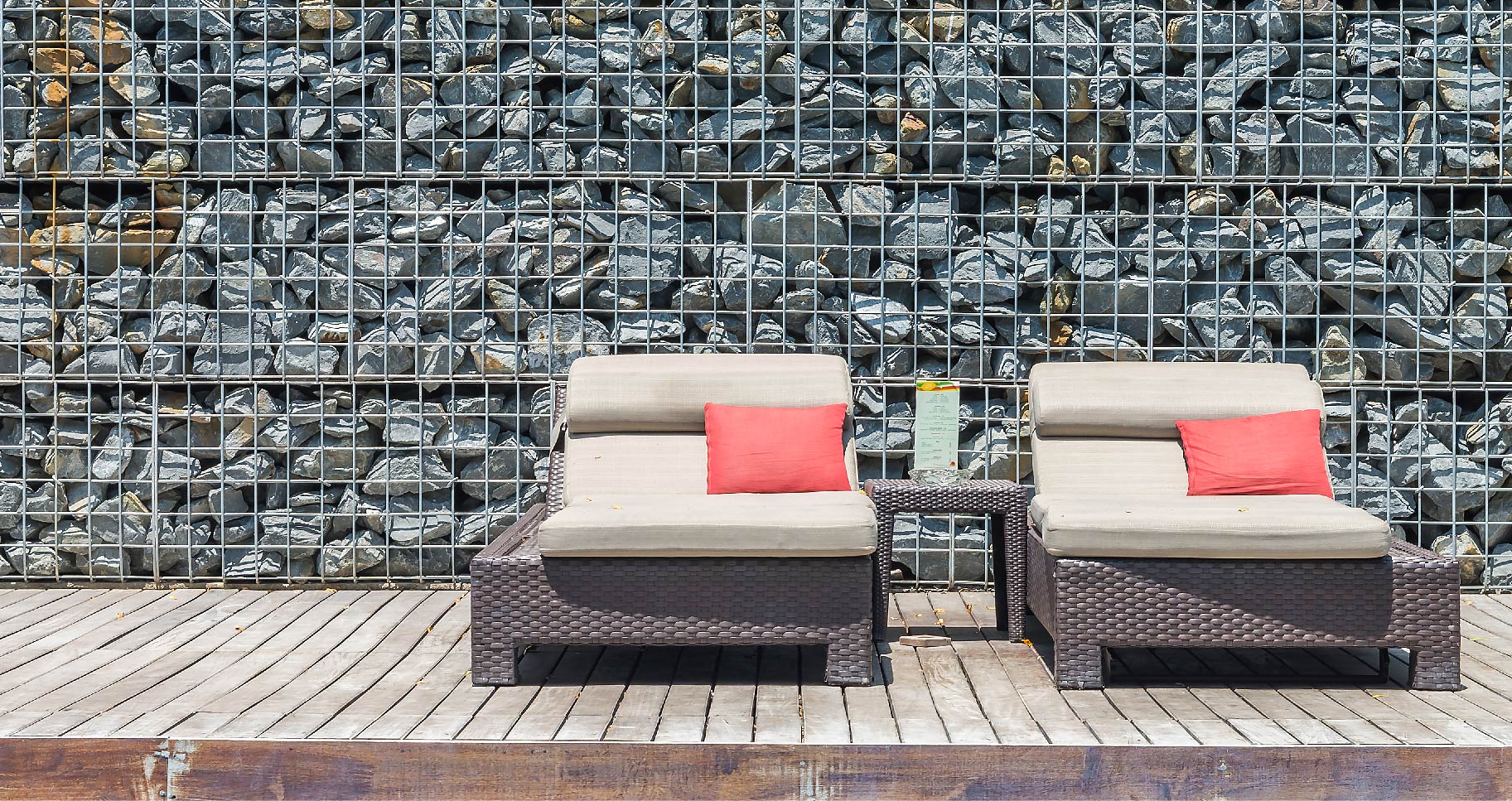
One of the most important advantages of gabion wall design is the natural drainage provided by the stone-filled baskets. The gaps between the stones allow water to flow through the structure, preventing hydrostatic pressure from building up behind the wall.
In traditional retaining walls, drainage systems such as pipes or weep holes must be installed to relieve water pressure. Gabion walls eliminate much of this requirement because the structure itself acts as a drainage system.
This feature makes gabion wall design particularly suitable for locations with heavy rainfall, groundwater flow, or riverbank applications where water management is essential.
Environmental and Sustainability Benefits
Gabion walls are considered environmentally friendly solutions in geotechnical and civil engineering projects. Because they use natural stone and minimal concrete, they have a lower environmental impact compared to many traditional retaining structures.
Over time, vegetation can grow between the stones, helping the wall integrate naturally with the surrounding landscape. This natural appearance makes gabion wall design suitable for projects where environmental preservation and aesthetic integration are important.
The flexibility of gabion systems also allows them to adapt to small ground movements without structural damage, which helps extend their service life and reduce maintenance requirements.
Applications of Gabion Wall Design
Common applications include:
- Road and highway embankments
- Slope stabilization and erosion control
- Riverbank and shoreline protection
- Drainage channels and flood protection systems
- Retaining structures for infrastructure projects
- Bridge abutments and landscape retaining walls
Because of their modular construction, gabion baskets can be arranged in different shapes and configurations, allowing engineers to adapt the design to various terrain conditions.

Installation Considerations for Gabion Wall Design
Proper installation is essential to ensure the long-term performance of gabion walls. The process begins with preparing a stable and level foundation that can support the weight of the structure.
Gabion baskets are assembled on-site, positioned according to the design layout, and securely connected to adjacent units using wire ties or fasteners. Once in place, the baskets are filled with stones in layers to ensure proper compaction and structural integrity.
Careful stone placement improves the strength and appearance of the finished wall while maintaining uniform distribution within the baskets. During installation, regular inspections help ensure the structure meets engineering specifications and maintains proper alignment.
Advantages of Gabion Wall Design
Key benefits include:
- Natural drainage that reduces hydrostatic pressure
- Flexible structure that adapts to soil movement
- Durable materials with long service life
- Lower maintenance compared to rigid retaining walls
- Environmentally friendly construction using natural stone
- Fast and efficient installation compared to concrete structures
Frequently Asked Questions About Gabion Wall Design
How thick should a gabion wall be?
The thickness of a gabion wall depends on the height of the structure and the soil conditions at the site. In many cases, the base width of the wall is designed to be between half and two-thirds of the wall height to maintain structural stability.
How long do gabion walls last?
Gabion walls can last between 50 and 100 years depending on the quality of the wire mesh, stone materials, and environmental conditions. Proper design, installation, and material selection play a major role in determining the lifespan of the structure.
Are gabion walls cheaper than concrete retaining walls?
In many situations, gabion walls can be more cost-effective than concrete retaining walls. They require less concrete, provide natural drainage, and can be installed more quickly, which reduces construction time and labor costs.
Working with MEGS
MEGS (Modern Environmental Geotechnical Company for Contracting) provides advanced geotechnical solutions for slope stabilization, retaining structures, and erosion control systems. The company specializes in the design, supply, and installation of engineering systems that support infrastructure development and environmental sustainability.
With extensive experience in geotechnical engineering applications, MEGS supports construction projects through technical analysis, engineering recommendations, shop drawings, quality control, and professional installation guidance.
Conclusion
Gabion wall design remains one of the most practical and durable solutions for retaining structures, erosion control, and slope stabilization in modern civil engineering. By combining structural strength, natural drainage, and environmental compatibility, gabion systems provide long-lasting support for a wide range of infrastructure projects.
When properly designed and installed, gabion walls offer reliable performance, reduced maintenance, and the flexibility needed to adapt to changing environmental conditions. For engineers and project developers seeking strong and sustainable retaining solutions, gabion wall design continues to be an effective and trusted approach.